Houston Port – North America’s Premier Energy & Petrochemical Gateway
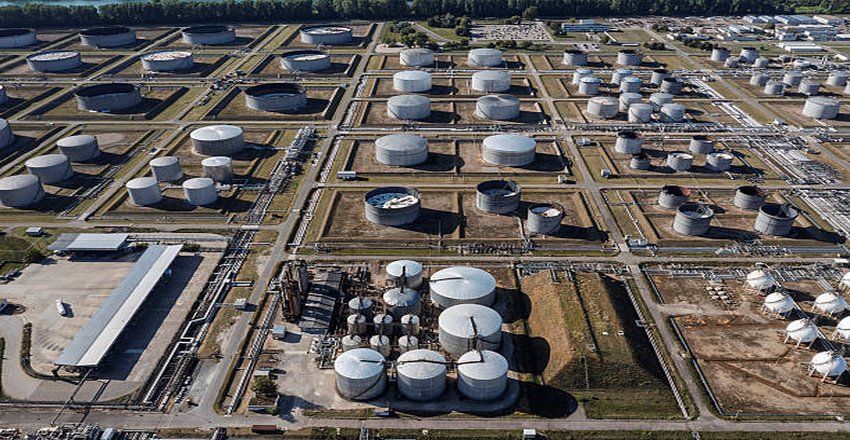
Houston, widely regarded as the "Energy Capital of the World," is home to the United States’ largest port complex by volume of petroleum products and the epicenter of North American energy exports. Centropa Logistics BV operates a major terminal presence in the Port of Houston, providing world-class storage, transshipment, blending, and export services for crude oil, refined products, natural gas liquids (NGLs), and petrochemicals.
Strategically located on the U.S. Gulf Coast, our Houston facilities benefit from direct pipeline connectivity to major refining hubs (including the Houston Ship Channel, Mont Belvieu, and Cushing), access to the Colonial, Explorer, and other key pipeline systems, and proximity to the largest petrochemical complex in the Americas. This makes Houston the ideal launch point for exports to Europe, Asia, Latin America, and beyond.
With deep-draft berths capable of handling Aframax, Suezmax, and VLCC vessels, extensive tankage, advanced blending infrastructure, and seamless integration with rail, barge, and truck networks, Centropa’s Houston operations serve as a critical node in the global energy supply chain — supporting both export growth and domestic distribution with unmatched efficiency, safety, and reliability.
-
Terminal & Berth Operational Uptime
-
US Regulatory & Safety Compliance
-
On-Spec Export & Delivery Performance
-
Leading U.S. port for petroleum & petrochemical exports
-
Direct connectivity to major U.S. pipeline systems
-
Aframax, Suezmax & VLCC capable berths
-
Largest U.S. petrochemical complex adjacency
-
Extensive rail, barge & truck distribution network
-
USCG, EPA, PHMSA & API compliant operations
Terminal Infrastructure & Technical Specifications
Storage Capacity
- Total: ~4.5 million barrels (~715,000 m³)
- Crude oil & condensate: 2.8 million barrels
- Refined products & gasoline: 1.2 million barrels
- Specialty chemicals & NGLs: Dedicated segregated tanks
Berth & Vessel Handling
- Deep-draft berths: 5+ dedicated petroleum berths
- Maximum draft: 45–50 feet (13.7–15.2 m)
- Maximum vessel size: Suezmax & Aframax (up to ~160,000 DWT)
- VLCC lightering support: Available via STS operations
Blending & Processing
- High-capacity crude & condensate blending
- RVP & sulfur adjustment capabilities
- Additive injection & quality upgrading
- On-site laboratory for real-time certification
Core Services & Strategic Advantages
- Crude Oil & Condensate Export: Primary U.S. Gulf Coast export terminal for light sweet crude and condensate
- Refined Products & Gasoline Storage: Strategic storage and export for gasoline, diesel, jet fuel
- Petrochemical & NGL Handling: Adjacent to the world’s largest petrochemical complex
- Pipeline Integration: Direct access to Colonial, Explorer, Magellan, and Seaway pipelines
- Rail & Barge Connectivity: Multi-modal distribution to Midwest, Northeast, and inland markets
- Blending & Quality Services: Custom blending to meet international specifications
Multi-Modal Connectivity & Market Reach
Pipeline Network
Direct connections to Colonial, Explorer, Seaway, Magellan & more
Rail & Barge
Extensive rail terminals + barge access to inland U.S. markets
Global Export
Primary gateway for U.S. crude & products to Europe, Asia & Latin America
Sustainability & Regulatory Leadership
Our Houston operations comply with the highest U.S. standards (USCG, EPA, PHMSA, OSHA) while actively supporting energy transition initiatives including biofuels blending, carbon capture readiness, low-emission bunkering, and participation in voluntary methane reduction programs.
Frequently Asked Questions – Houston Port
Proximity to massive refining capacity, the largest petrochemical complex in the Americas, direct pipeline connections to production basins (Permian, Eagle Ford), and deep-water access make Houston the primary U.S. Gulf Coast export hub.
Primarily Aframax and Suezmax tankers (up to ~160,000 DWT). VLCCs are handled via ship-to-ship lightering operations in the Gulf.
Colonial Pipeline, Explorer Pipeline, Magellan Midstream, Seaway Pipeline, and multiple intra-state systems — connecting to refineries, storage hubs, and markets across the U.S.
Yes — we offer in-tank and in-line blending, condensate blending, RVP/sulfur adjustment, and additive injection to meet international export specifications.
As the main U.S. Gulf export terminal, Houston handles the majority of American light sweet crude and condensate exports to Europe, Asia, and Latin America, supported by efficient vessel turnaround and logistics.